
Understanding Paving Repair Options That Protect and Extend Pavement Life
Paved surfaces are built to handle constant use, but even the most durable asphalt or concrete will show signs of wear over time. Weather exposure, traffic load, and natural aging all contribute to cracks, surface damage, and structural weakness. Understanding the different types of paving repairs helps property owners make informed decisions that restore function and protect their investment. The right repair at the right time can significantly extend the life of a paved surface and reduce the need for costly replacement. Understanding the types of paving repairs available helps property owners choose the right fix for cracks, wear, or drainage issues.
Minor surface damage is often the first sign that repairs are needed. Small cracks and shallow surface flaws may seem harmless at first, but they allow water to seep beneath the pavement. Once moisture reaches the base layer, deterioration accelerates quickly. Targeted crack repairs seal these openings early, preventing expansion and stopping water from causing deeper structural issues. When addressed promptly, these repairs help maintain surface integrity and preserve a clean, professional appearance.
As damage becomes more noticeable, surface-level repairs play an important role in restoring smoothness and safety. Areas affected by light to moderate wear can be repaired by removing and replacing damaged sections without disturbing the entire surface. These repairs correct uneven spots, eliminate trip hazards, and improve drainage. They are especially effective for high-traffic areas where wear is concentrated rather than widespread, allowing the pavement to regain strength without unnecessary disruption.
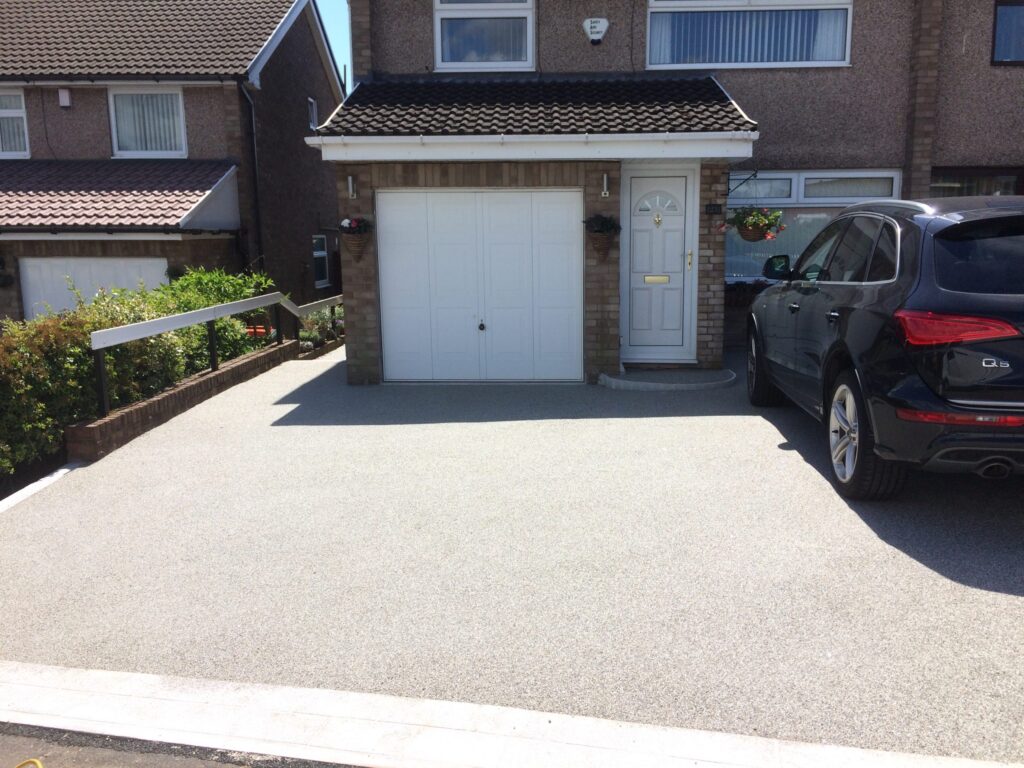
For surfaces showing widespread aging or surface fatigue, restorative treatments can offer renewed durability. These repairs focus on reinforcing the existing pavement rather than replacing it entirely. By addressing surface oxidation, minor cracking, and early-stage wear, restorative solutions help pavements regain flexibility and resistance to the elements. This approach is often used to extend pavement life while maintaining a uniform appearance across the entire area.
In cases where damage affects deeper layers, more intensive repairs may be required. Structural repairs address issues below the surface, such as base failure or poor drainage. These problems often reveal themselves through repeated cracking or sinking areas. While more involved, these repairs are essential for long-term performance, as surface fixes alone cannot resolve underlying weaknesses.
Understanding paving repair options empowers property owners to act strategically rather than reactively. Long-lasting surfaces are achieved not through a single solution, but through choosing the appropriate repair at each stage of wear. With timely intervention and the right approach, paving repairs become a proactive tool for preserving strength, safety, and value over the long term.
…