
Professional Maintenance for High-Performance Vehicles
Winter European car maintenance becomes a priority as temperatures drop and roads turn icy, because high-performance vehicles respond differently to cold than typical cars. Engines with tight tolerances, sophisticated electronics, and sensitive braking systems can react to thickened fluids and weakened batteries in ways that compromise both performance and safety. Advanced features like turbochargers and complex sensors are particularly vulnerable, making routine winter inspections more than just a precaution. Ensuring tires are appropriate for snow and ice, fluids are correctly rated for low temperatures, and batteries are fully charged are all critical steps in protecting these vehicles. Professional maintenance tailored for European cars transforms winter from a challenge into a season that can be navigated confidently.
Traction and braking are often the first systems drivers notice when winter conditions arrive. Winter tires are designed to remain flexible at lower temperatures, which maintains grip and helps preserve the integrity of sensitive braking systems. Breaks themselves may be affected by moisture, cold, and corrosion, so inspections of pads, rotors, and brake fluid are essential. For European cars, where braking performance is often finely tuned for precision handling, even minor issues can affect stability and safety. When tires and brakes are maintained properly, stopping distances remain consistent, and the vehicle behaves predictably on icy or slushy roads, giving drivers confidence and control in situations where every inch counts.
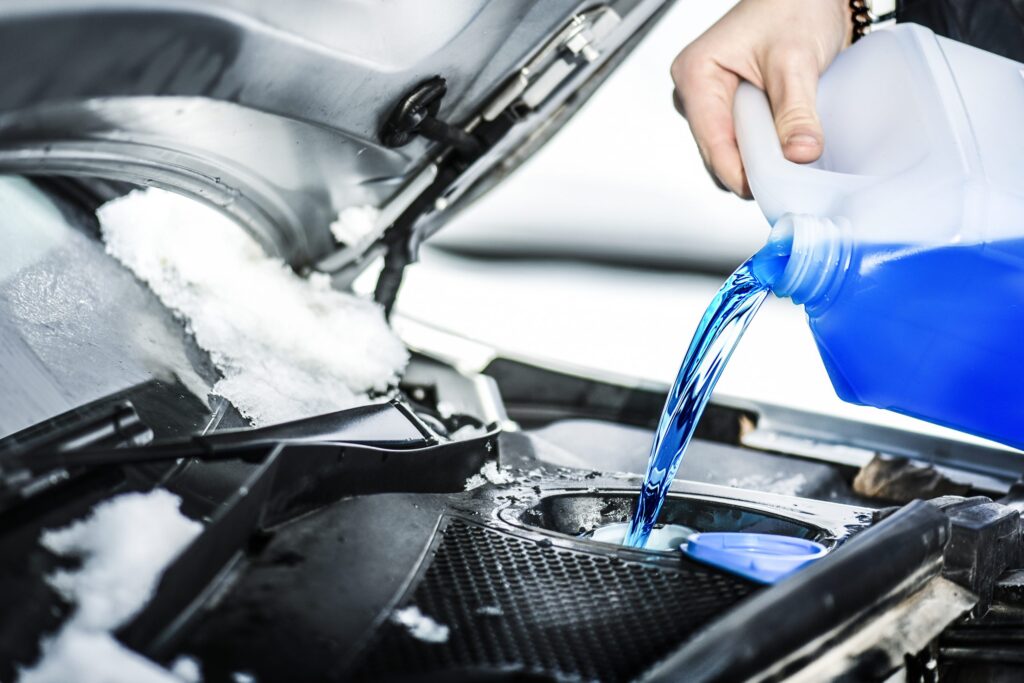
Cold weather also puts the engine and related systems under extra strain. Oil thickens, coolant can drop below optimal performance, and turbochargers may face increased wear if lubrication is compromised. Sensors and electronic controls, designed to operate within tight margins, can behave unpredictably if fluids are not correctly matched to winter conditions. Winter European car maintenance includes choosing the right oils and fluids that meet manufacturer specifications for cold weather, ensuring that the engine and all ancillary systems function reliably. Proper preparation reduces the risk of mechanical failure and preserves the high level of performance that European cars are known for.
Electrical systems are particularly sensitive in winter, and batteries often bear the brunt of cold weather. European vehicles frequently use high-output batteries to power advanced electronics and systems, and any weakness can lead to difficult starts or even system malfunctions. Checking battery charge, connections, and overall health is essential, as is ensuring alternators and charging systems are functioning correctly. Winter also affects headlights, interior electronics, and sensors, which require attention to maintain full vehicle functionality. Addressing these issues proactively through professional maintenance prevents unexpected failures and keeps the car operating as intended, regardless of outside conditions.
Winter European car maintenance is more than seasonal upkeep, it is a commitment to preserving safety, performance, and reliability during harsh conditions. From tires and brakes to engines, electronics, and battery systems, every component benefits from careful inspection and specialized care. High-performance vehicles are built for precision, and that precision must be maintained even in the coldest months. Choosing professional service ensures that fluids, tires, brakes, and electronics are all prepared for winter challenges, allowing drivers to enjoy both the thrill of their vehicle and the peace of mind that comes with knowing it will perform safely. Proper preparation transforms winter from a risk into an opportunity to drive with confidence, control, and assurance that every system has been winter-proofed.
…